
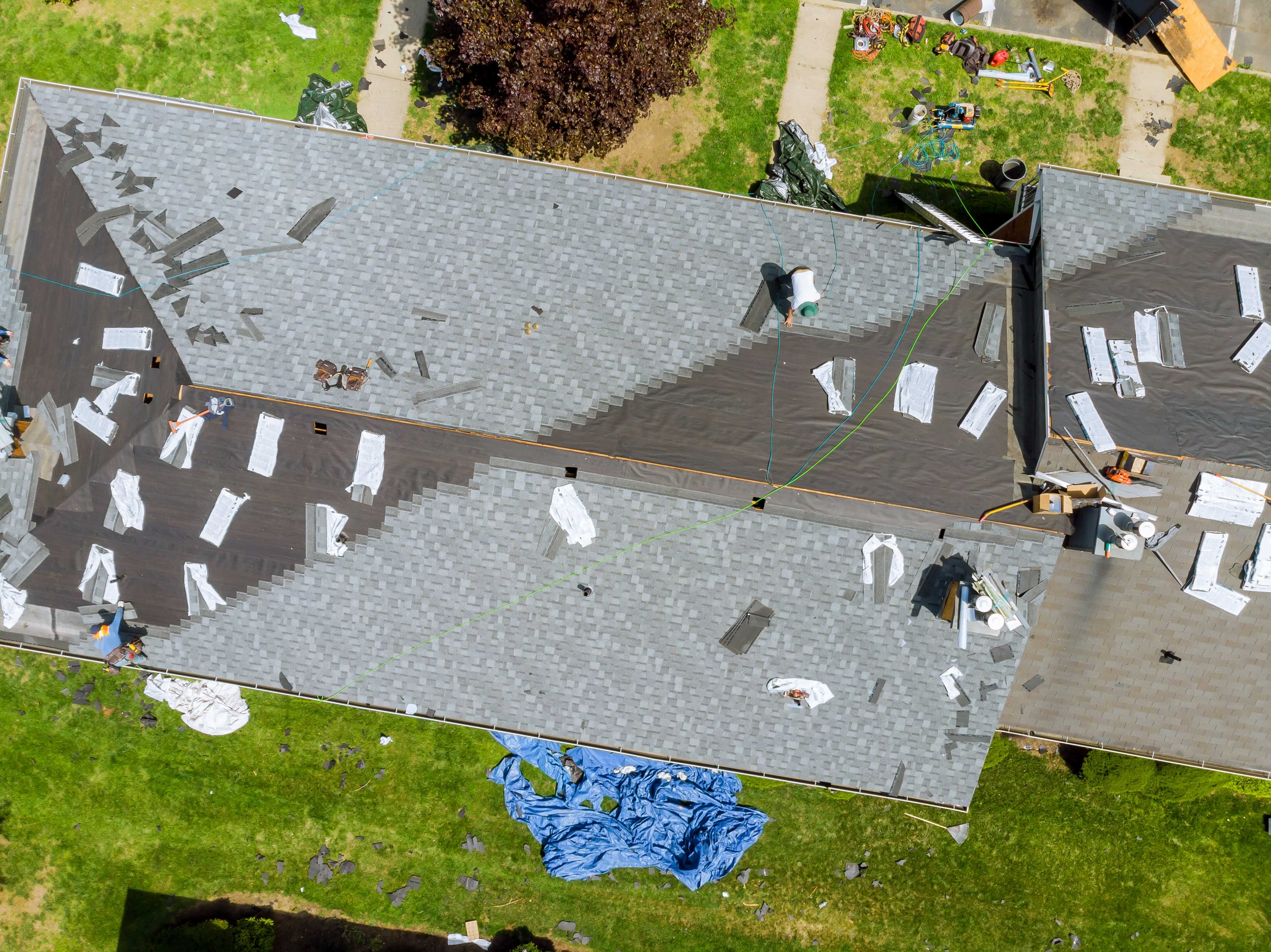
A storm rolls through, you hear what sounds like heavy rain pounding the house, and the next morning there are limbs all over the yard. Your roof looks fine from the driveway, but you can't shake the feeling that something isn't right.
That uncertainty is stressful, especially when you don't know what to look for or whether your insurance company will take your claim seriously. As a family-owned roofer based in Cartersville and an Owens Corning Platinum Preferred Contractor, Rooks Roofing helps homeowners across North Georgia and Alabama get real answers after a storm. Here's what our team checks during an inspection and why it matters.
We Start on the Ground
What's happening around your roof is just as important as what's happening on it, because hail strong enough to damage a roof usually leaves evidence in other places too. Those clues help paint a clear picture for your insurance adjuster, and you can spot many of them without ever climbing a ladder.
The first thing we look for is spatter, the clean marks hail leaves when it knocks dirt or algae off driveways, sidewalks, mailboxes, and fences. Some adjusters even say, "No spatter, it doesn't matter." From there, we check gutters, downspouts, and window screens for round, consistent dents that point to hail rather than acorns or falling limbs. We also look at shrubs with larger leaves, since holes punched through them show how big the hail was.
What We Look for on the Roof
Once the ground-level clues are documented, we head up the ladder. On an older roof, normal wear can look a lot like storm damage, so part of our job is telling the two apart.
Blistering comes from poor attic ventilation, age, or lower-quality shingles, and it causes granules to loosen and shed over time. Hail leaves a different mark. It pushes the granules into the shingle, packing them tightly at the center while the granules around the hit fall away and leave a circular impact.
Every insurance company has its own threshold for how much damage it needs to see, so we count the hail hits inside a 10 x 10 test square to show whether there's enough to move forward with a claim. We also check the ridge caps along the top of the roof. They're among the toughest spots to damage, so hits there are a strong sign the whole roof took a beating.
How We Spot Wind Damage
Not every storm brings hail. With wind, the type of shingle tells us a lot, because thicker architectural shingles hold up better than older, thinner three-tab shingles.
The most common sign of wind damage is creasing. When wind folds a shingle back and it falls into place again, it keeps a crease across the top, the same way a sheet of paper keeps a fold line. We also look for lifted corners and missing shingles. Wind often tears off shingles that have been creased a few times, but missing shingles can also point to installation problems like high nailing, so we find the real cause before recommending anything.
Why Shingle Measurements Matter
Finding damage is only part of the job. We also measure your shingles and check whether they're still in production, because your insurance company will look at both when deciding between a repair and a replacement. Many older and designer shingles have been discontinued, including the 5 1/2 inch exposure size. If your damaged shingles can't be matched, a clean repair may not be possible, which can strengthen the case for a new roof.
An Honest Answer About Your Roof
Once the inspection is done, we'll tell you exactly what we found. Sometimes a little damage here and there isn't enough for insurance to approve a replacement, and a simple repair is the right call. Other times, the damage needs attention right away, and we'll walk you through next steps like tarping and filing a claim.
Schedule Your Free Roof Inspection
Small hail hits and creased shingles can let water in slowly, turning a simple fix into a much bigger repair. We'll inspect your roof for free, document what your insurance company needs to see, and give you a straight answer so you can rest easy.
Call (678) 249-7549 or schedule your free inspection today.
Subscribe to receive the latest blog posts to your inbox every week.


